Four directions shaping floral design — and what they mean for your wedding, event, or brand moment.

Flowers have changed. Not the blooms themselves, but what we ask them to do. For years, floristry meant decoration — something pretty placed in a corner, filling a space until the room felt finished. That era is quietly closing. Flowers have become something to be designed: composed, photographed, remembered, and increasingly central to how a celebration feels.
After months of watching the field — the runways, the rooms, the way people live with flowers now — these are the four directions I believe are shaping where floristry goes next. And because most of the people reading this are planning something of their own, I’ve written it with you in mind: not just what’s changing, but what it means for your day.
Architecture, Not Abundance

The loose, garden-gathered look that defined the last decade is giving way to something more sculptural. The arrangements that feel current now are built like small pieces of architecture — strong lines, deliberate negative space, a sense of movement held in place. Form leads, and the bloom follows it.
What this means for you: your flowers don’t have to be big to be impressive. A single, well-considered sculptural piece can hold a room more powerfully than a dozen full arrangements — and it photographs like nothing else.
Texture Is the New Luxury

If color was the headline of the last few years, texture is the story now. The most interesting work sets soft against structural, fresh against dried, a smooth petal beside a woody stem. That deliberate contrast is where depth lives — and, quietly, where longevity hides, as dried and preserved elements extend the life of a piece.
What this means for you: ask for texture, not just color. It’s the difference between flowers that look lovely and flowers that look considered
Color With Conviction

Color is being chosen with more intention — and more nerve. The safe, universal blush-and-cream palette is making room for two bolder instincts: joyful, high-contrast pairings on one side, and grounded, desaturated, almost moody tones on the other. Either way, the choice is deliberate.
What this means for you: a confident color decision — even a single unexpected pairing — will make your design feel authored rather than ordered from a catalogue
Flowers Become Experiences

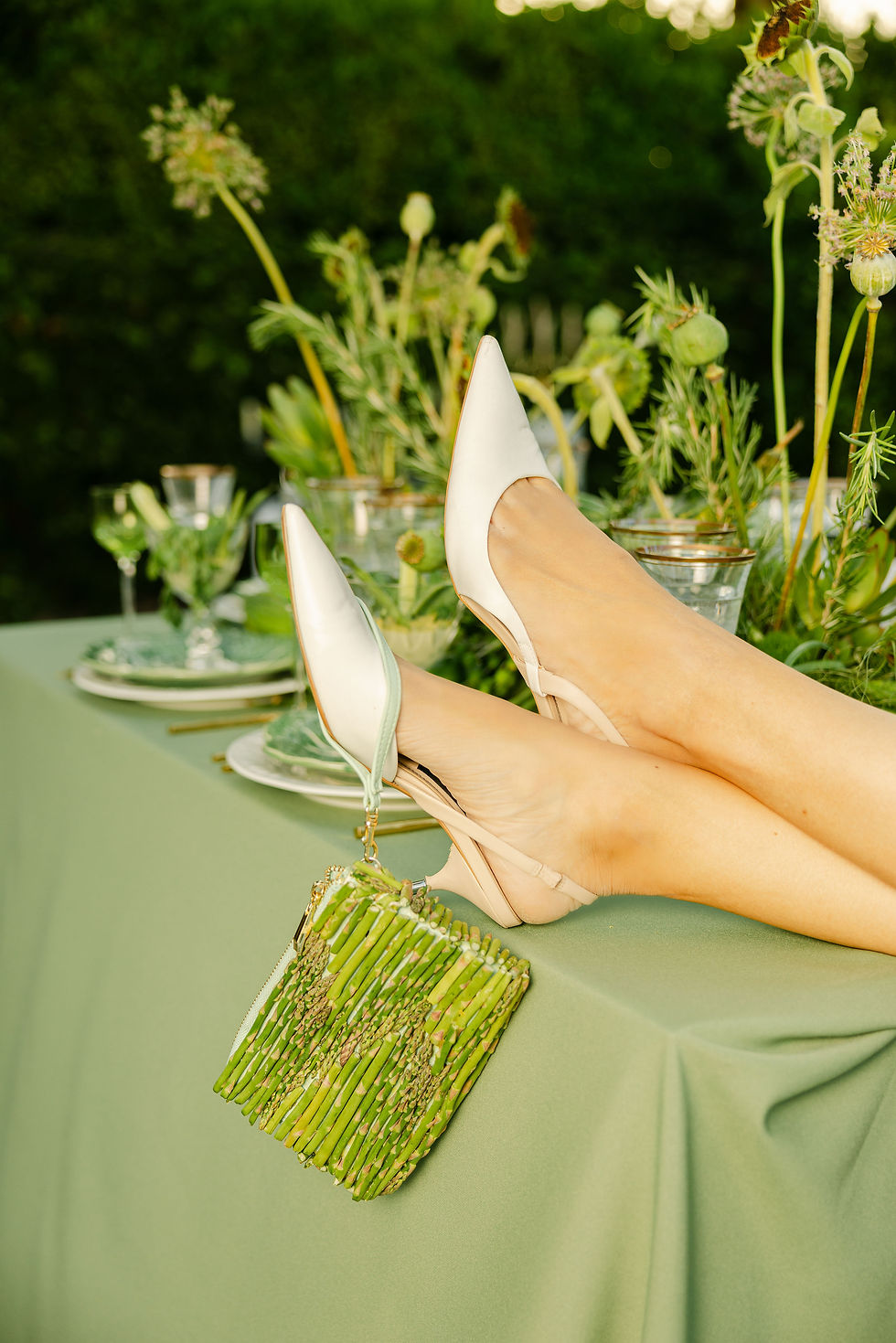
Perhaps the biggest shift: flowers are moving from objects to environments. The work that excites people now is immersive — installations and tablescapes you can step inside, designed to set the entire tone of a space rather than sit politely on it.
What this means for you: think of florals as part of the architecture of your event, not the finishing touch. Designed well, they become the thing your guests remember.
Designing Forward
None of this is about chasing trends. It’s about intention — treating flowers as a designed part of a day rather than a decoration added at the end. That’s the work we love most at The House of Florals: pieces with a point of view, built to feel considered from the very first glance.
If you’re dreaming up a wedding, an event, or a brand moment and you want it to feel authored rather than assembled, I’d love to hear about it. The future of floristry is wide open — let’s design yours.
— Lucie, The House of Florals


